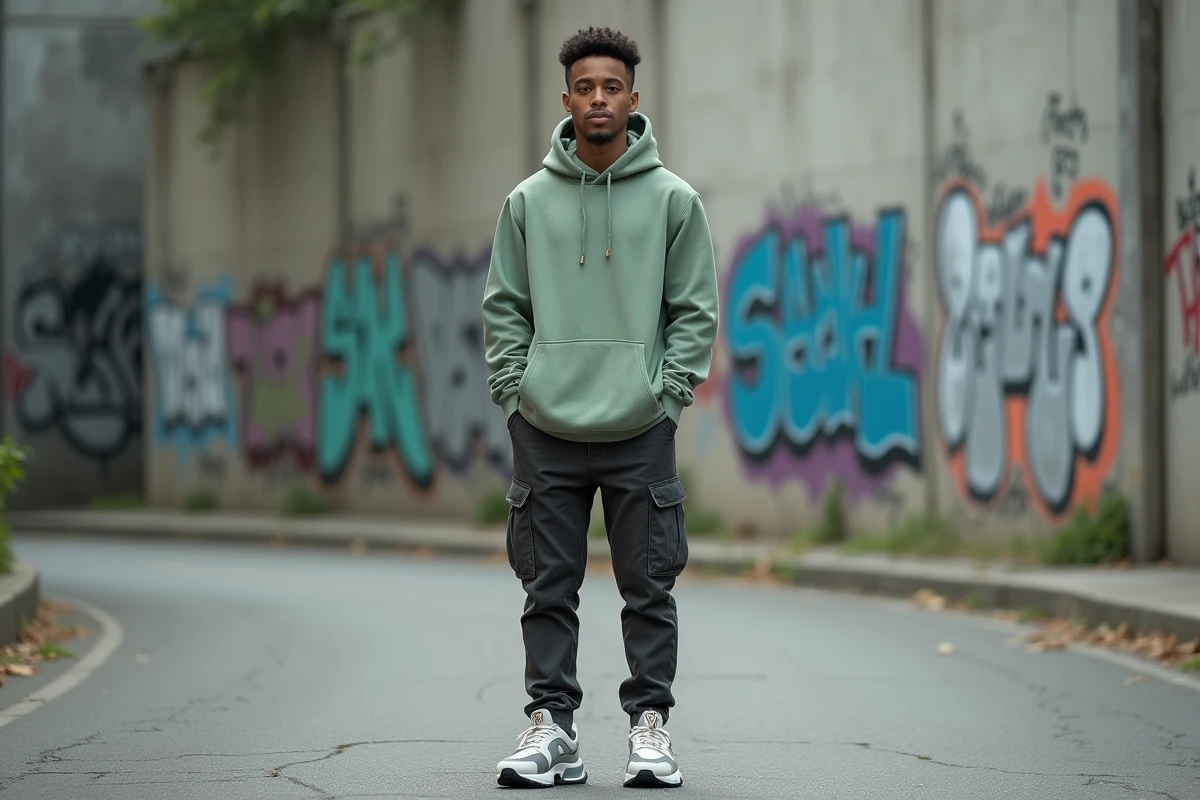
The streetwear and sneaker market is undergoing a reconfiguration phase. After several years of spectacular collaborations and oversized logos, the streetwear and sneaker trends in 2024 are shifting towards more understated codes, driven by an audience that now balances hype and sustainability.
The report “The State of Fashion 2024” by McKinsey and Business of Fashion, published in November 2023, documents this shift towards “quiet luxury” even in casualwear, with direct repercussions on the ranges of Nike, Adidas, and New Balance.
Sneaker resale and the secondary market: the true driver of hype in 2024
Competing articles list models to buy new. They overlook a structuring fact: the resale market shapes trends as much as the brands themselves. StockX, in its report “Big Facts: Current Culture Index” published in June 2024, notes that buyers aged 18-24 constitute the most dynamic age group, with double-digit growth in transactions in 2023.
The most traded models on these platforms (Nike Dunk, Jordan 1, Adidas Campus) are not always the newest. They circulate, gaining or losing value depending on drops and announced collaborations. This mechanism creates a gap between the trend perceived in stores and the one observed in the secondary market.
To track these movements and find pairs at the right time, specialized platforms like https://sneaky.fr/ allow users to spot sought-after models before they skyrocket on the resale market.
Quiet luxury and streetwear: the end of giant logos on sneakers
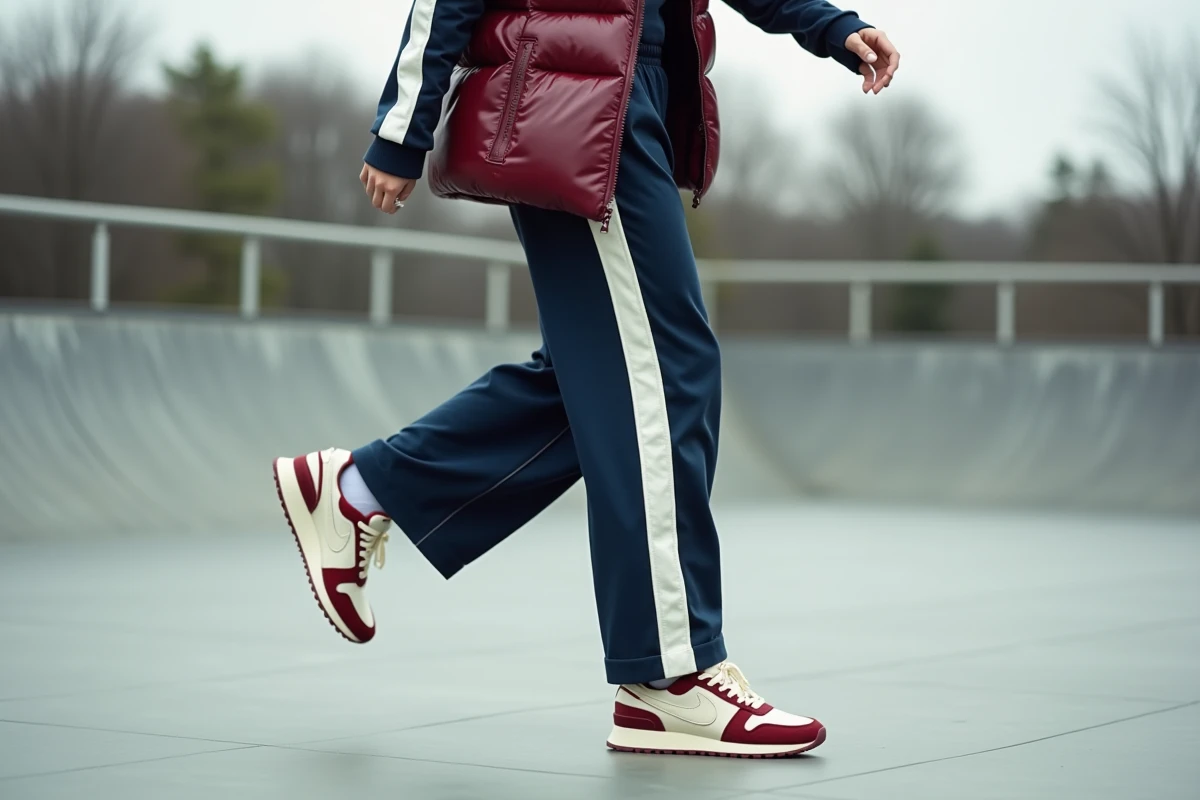
Noisy streetwear, saturated with branding and garish colors, is receding. McKinsey and Business of Fashion point to a shift towards streamlined pieces: full-grain leathers, tone-on-tone branding, silhouettes borrowing from loafers or derbies rather than sports shoes. This aesthetic, dubbed “quiet luxury,” is now affecting the premium ranges of several major brands.
Adidas, Nike, and New Balance are offering more understated finishes on certain flagship models. The Adidas Samba, omnipresent in 2024, illustrates this trend: its most sought-after version is not the most colorful, but the one in understated leather with a gum sole and discreet logo. The Adidas x Wales Bonner collaboration pushes this logic even further, with crocodile variations in blue or neutral tones that move away from the sporty register.
New Balance occupies a similar ground. Its collaborations with brands like Ganni or Miu Miu focus on noble materials (suede, technical mesh) and limited palettes. The style no longer shouts; it is read in the details.
Outdoor sneakers and retro running: the rising silhouettes
Two families of sneakers are gaining ground alongside “quiet luxury”: outdoor-inspired models and 2000s runners.
- Collaborations between trail brands and fashion houses (Salomon x Maison Margiela MM6, Loewe x On) are establishing the technical sneaker in the urban wardrobe, featuring rugged soles and constructions derived from hiking.
- Asics, long confined to pure running, is experiencing a marked resurgence in interest thanks to retro silhouettes like the Gel-Kayano 14, adopted by a streetwear clientele looking to stand out from the Nike-Adidas duo.
- Puma, through its collaborations with creative studios like KidSuper, offers hybrid sneakers between running and fashion, with exaggerated volumes that contrast with the prevailing sobriety.
The outdoor is no longer just an aesthetic borrowing. Salomon’s Contagrip soles or Asics’ technical foams provide real comfort that classic retro silhouettes do not offer. This functional dimension partly explains their rapid adoption.
European regulation and sustainable materials: a constraint reshaping the streetwear offer
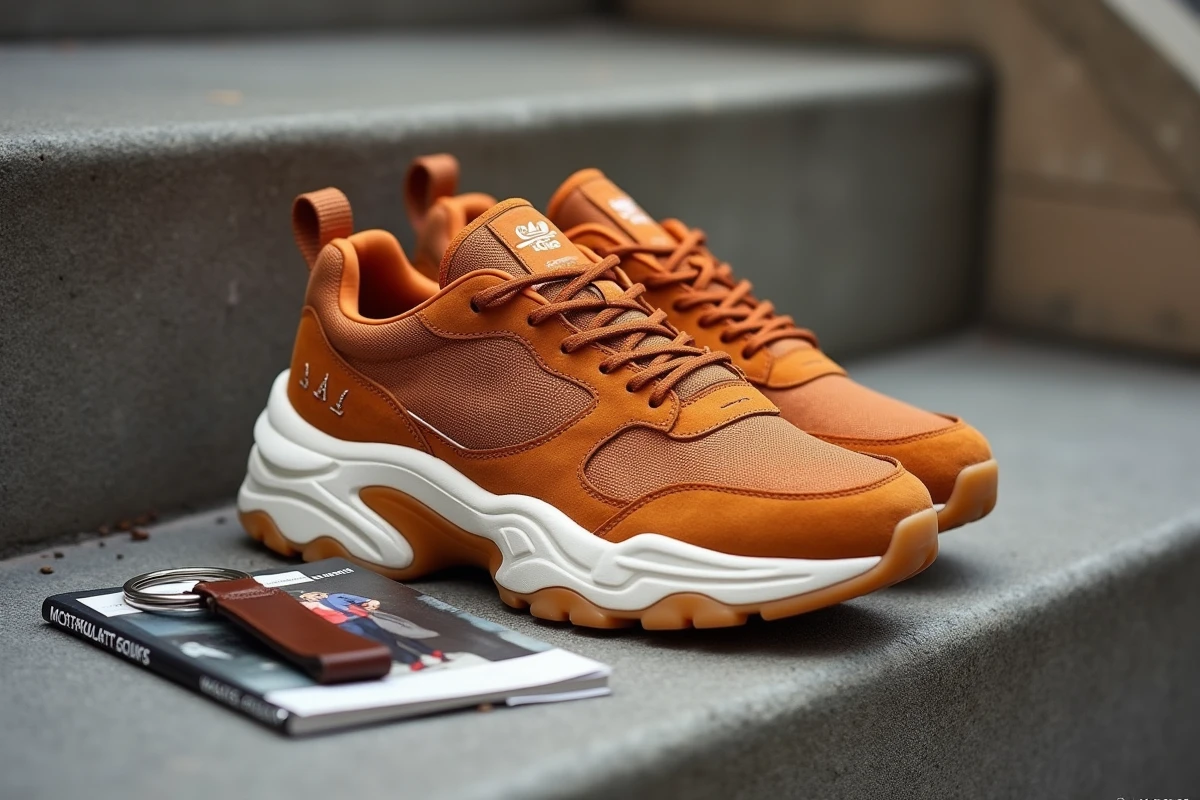
One aspect rarely addressed in trend articles: European regulatory pressure on materials and textile production is beginning to weigh on streetwear collections. The available data does not yet allow for measuring the exact impact on prices or ranges, but the direction is clear.
Brands are gradually incorporating recycled or certified materials into their sneaker and clothing lines. Nike uses recycled polyesters on several models of the Air Force 1 range. Adidas continues its initiatives around marine plastic recovered through the Parley partnership. New Balance communicates about the use of chrome-free tanned leathers on certain premium references.
For the consumer, this translates into two concrete phenomena:
- The prices of models made with certified materials are higher than their classic equivalents, without the perceived quality difference always being evident at the time of purchase.
- The “fast fashion streetwear” offer (quick reproductions of trendy silhouettes at low prices) could shrink as transparency obligations regarding product composition strengthen in Europe.
- Field returns diverge on this point: some resellers report a growing demand for sneakers with traceable production, while others report that price remains the primary decision criterion among those under 25.
Streetwear in 2024 is no longer just a matter of style. Material choices, traceability, and the secondary market weigh as much as design in the perceived value of a pair. The next season will tell if “quiet luxury” establishes itself sustainably or if it gives way to a new cycle of more eye-catching collaborations, but regulatory constraints and purchasing habits in the resale market have already changed the rules of the game.