
The ranking of real estate developers in France for 2024 reflects a market under pressure, marked by the housing crisis that began in 2022 and the regulatory tightening related to RE2020. Here we highlight the top twenty groups by revenue, incorporating their strategic positioning in light of ESG constraints and the contraction of residential bookings.
1. Nexity

Nexity retains the top spot in the ranking. The Parisian group remains the only French operator to cover the entire value chain, from residential development to commercial real estate, including property management. To delve deeper into the ranking of real estate developers in France, several criteria beyond revenue deserve analysis, notably reserved volumes and the share of low-carbon housing.
In response to the requirements of the European taxonomy and the CSRD directive, Nexity has accelerated the decarbonization of its new programs, which impacts margins but secures access to green bank financing.
2. Altarea

Altarea positions itself as a runner-up thanks to a deliberate diversification into commerce and logistics. The group leverages its integrated model, combining development, investment, and asset management.
Its strategy of focusing on high-demand metropolitan areas allows it to maintain a solid business volume despite the general decline in residential bookings.
3. Bouygues Immobilier

Bouygues Immobilier completes the podium. Backed by the Bouygues group, this developer benefits from an industrial execution capacity that few competitors can replicate. The subsidiary has increased its use of bio-sourced materials and off-site construction to meet the carbon thresholds of RE2020.
4. Icade

Icade, a subsidiary of Caisse des Dépôts, occupies the fourth place. The group has initiated a strategic refocus by selling part of its tertiary portfolio to concentrate its resources on residential development and health.
5. Vinci Immobilier

Vinci Immobilier relies on the Vinci group ecosystem to secure land and execution. Its strength lies in large mixed-use projects combining housing, offices, and public facilities, particularly in urban development operations.
6. Kaufman and Broad

Kaufman and Broad remains a major player in pure residential. The developer focuses on homeownership programs in tight areas, with a mid-range price positioning that ensures a booking rate above the market average.
7. Bassac
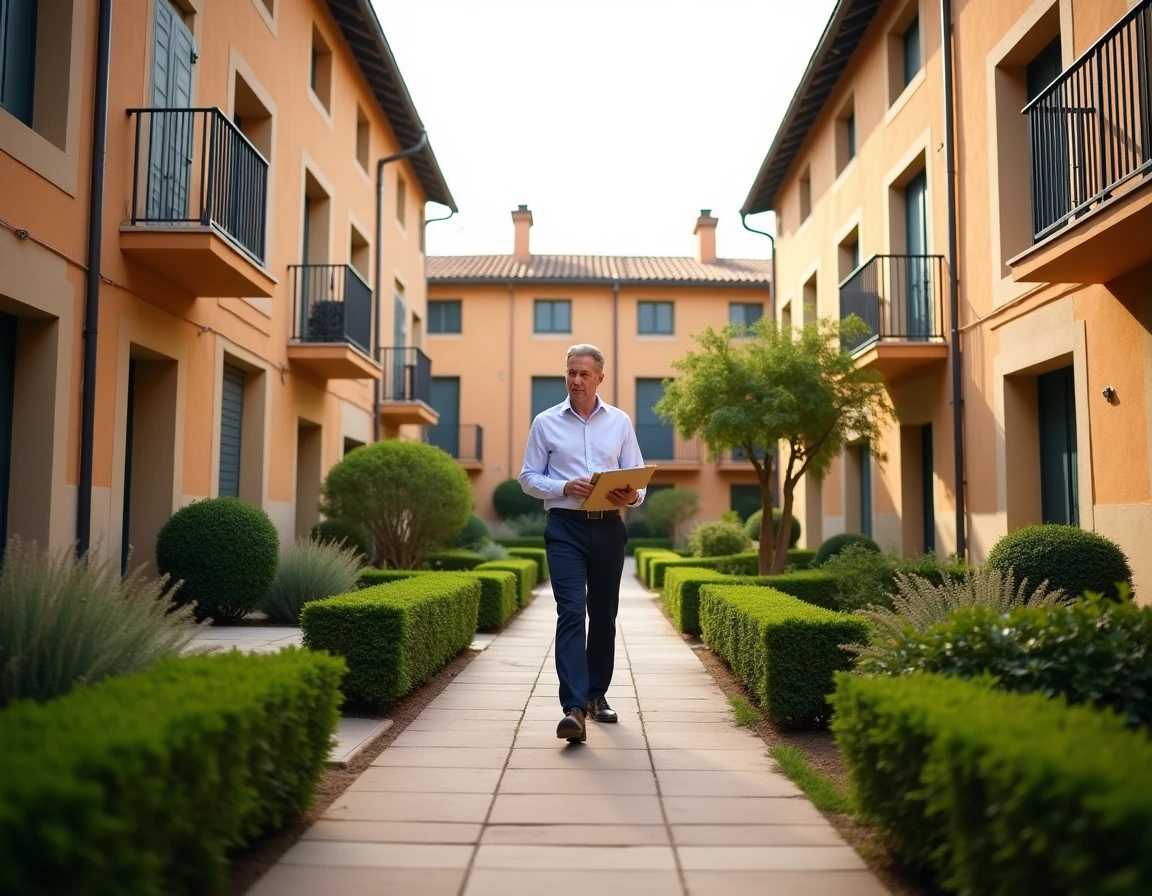
Bassac groups Les Nouveaux Constructeurs and Marignan. This developer bets on a decentralized approach, with each brand maintaining its territorial anchorage and its own clientele. The geographical complementarity of the two brands limits exposure to local risk.
8. Procivis

Procivis, a cooperative network from the SACICAP movement, stands out for its social vocation. The group produces a significant share of social homeownership and intermediate housing, a segment that private developers abandon when the market turns.
9. Eiffage Immobilier
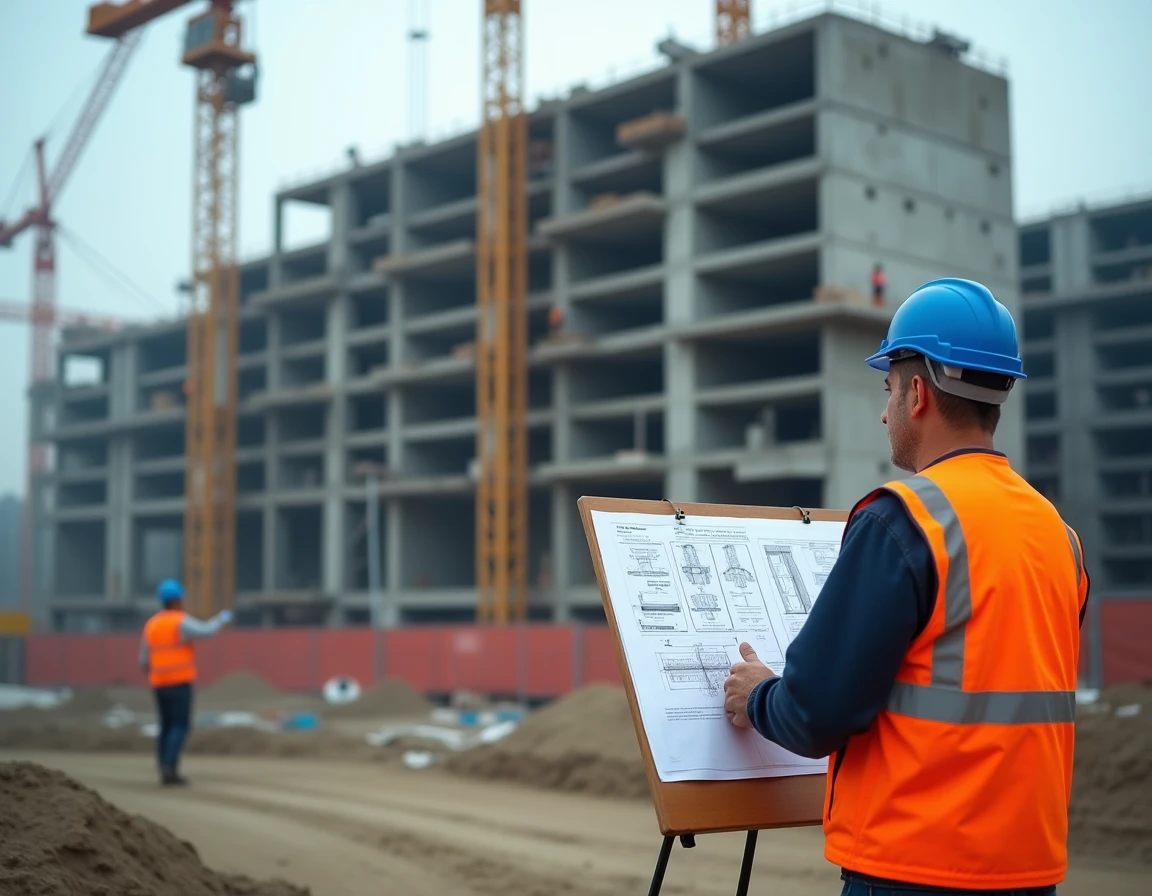
Eiffage Immobilier benefits from the power of the Eiffage group in civil engineering. The developer has strengthened its offer in wood construction and heavy rehabilitation, two segments driven by the obligations of the RE2020 and the tertiary decree.
10. Cogedim

Cogedim, a brand of the Altarea group, targets the premium segment. The developer pays attention to architectural quality and interior services, which gives it a high price positioning but a lower withdrawal rate during crises.
11. Pitch Immo
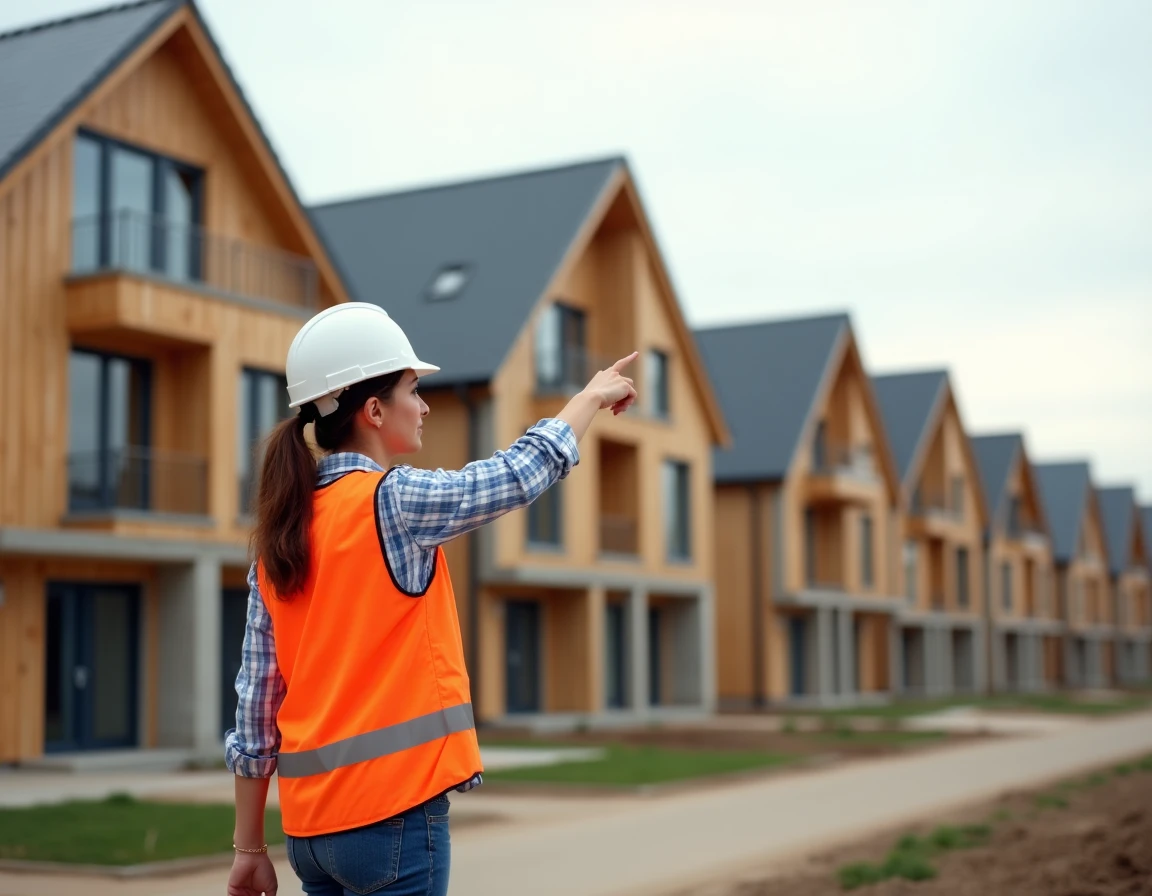
Pitch Immo has experienced rapid growth in southern France. This regional developer has made a name for itself with mixed operations combining residential and local commerce.
12. Sogeprom

Sogeprom, a subsidiary of Société Générale, focuses its activity in Île-de-France and major metropolitan areas. The banking backing facilitates the financial structuring of complex operations.
13. GA Smart Building
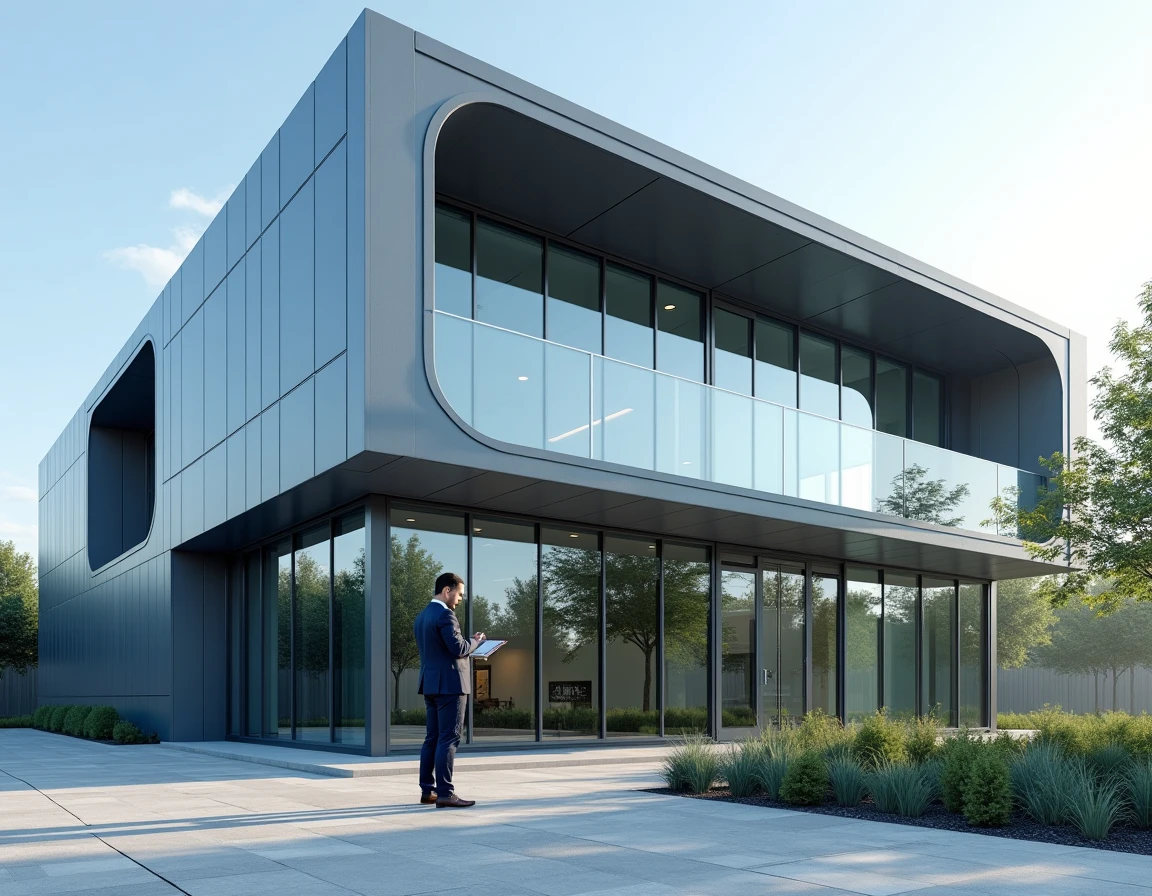
GA Smart Building has established itself as a reference for off-site construction in France. Its Niwa project, winner of the Real Estate Innovation Award at the 2024 Developers Ranking, illustrates the potential of industrial prefabrication to reduce the carbon footprint of tertiary buildings.
14. Promogim

Promogim remains a solid family developer, present in the intermediate residential sector in major urban areas. Its private capital structure gives it an agility that publicly traded groups do not always have.
15. Quartus

Quartus focuses on large-scale urban development. The group develops entire neighborhoods in partnership with local authorities, integrating housing, offices, and green spaces from the design stage.
16. Groupe Pichet
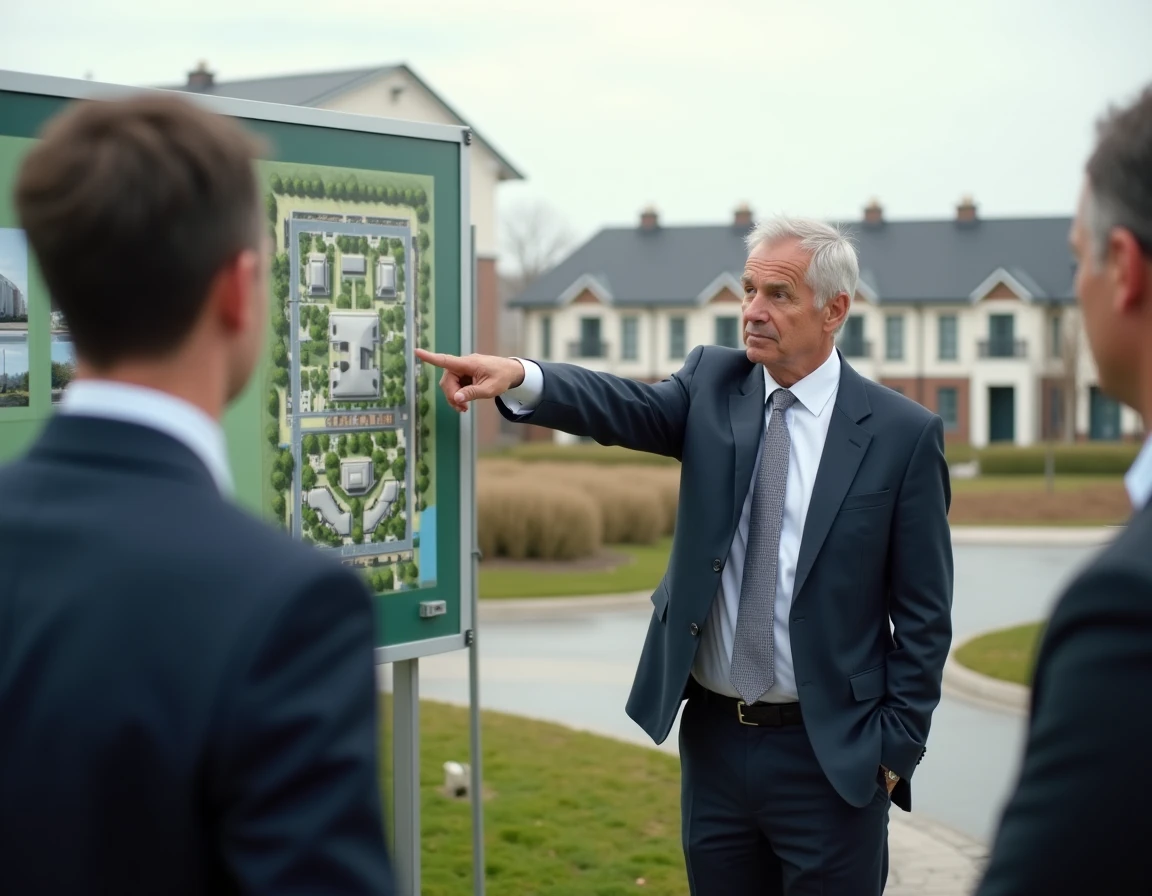
Groupe Pichet, based in Bordeaux, combines promotion and asset management. This integrated model allows it to retain part of its production in rental portfolio, cushioning the market downturn cycles.
17. ADIM
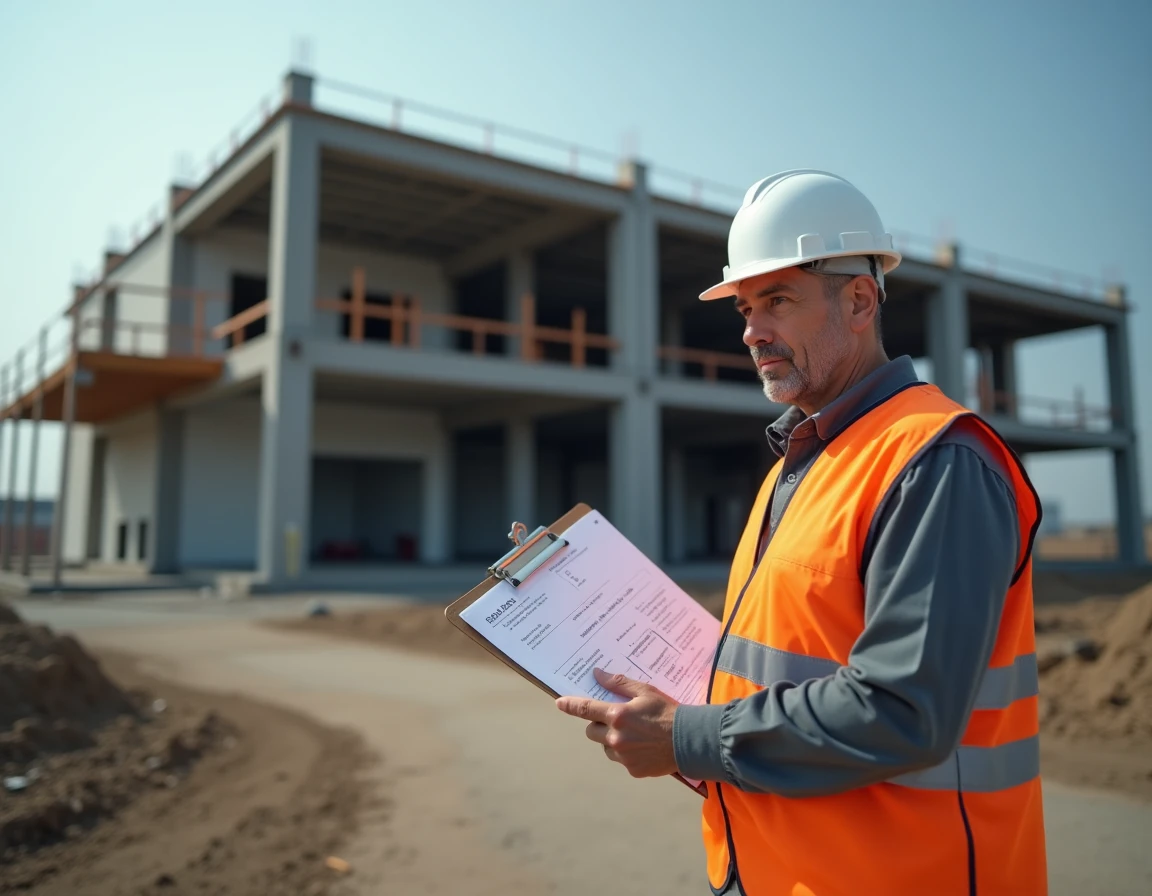
ADIM, the real estate development subsidiary of Vinci Construction, received the Tertiary Rehabilitation Award at the 2024 Developers Ranking for its activity in Île-de-France. The group prioritizes the transformation of obsolete offices into mixed-use buildings.
18. Spirit Immobilier

Spirit Immobilier, originating from the South-West, focuses on regional metropolitan areas with high demographic growth. Its in-depth knowledge of local markets gives it an advantage in land negotiation.
19. Groupe Gambetta
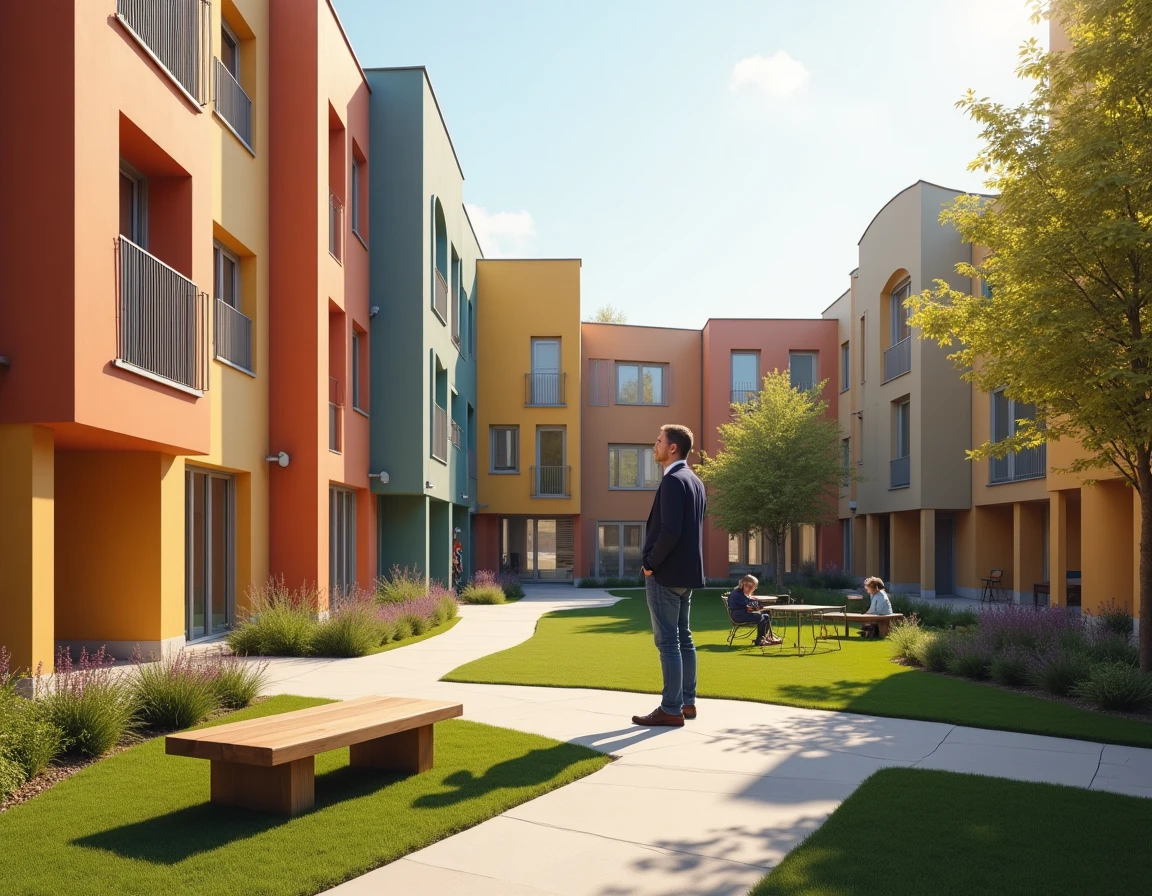
Groupe Gambetta operates at the intersection of private promotion and social housing. As a cooperative of collective interest, it produces programs for affordable homeownership, addressing the needs of first-time buyers excluded from the free market.
20. WO2
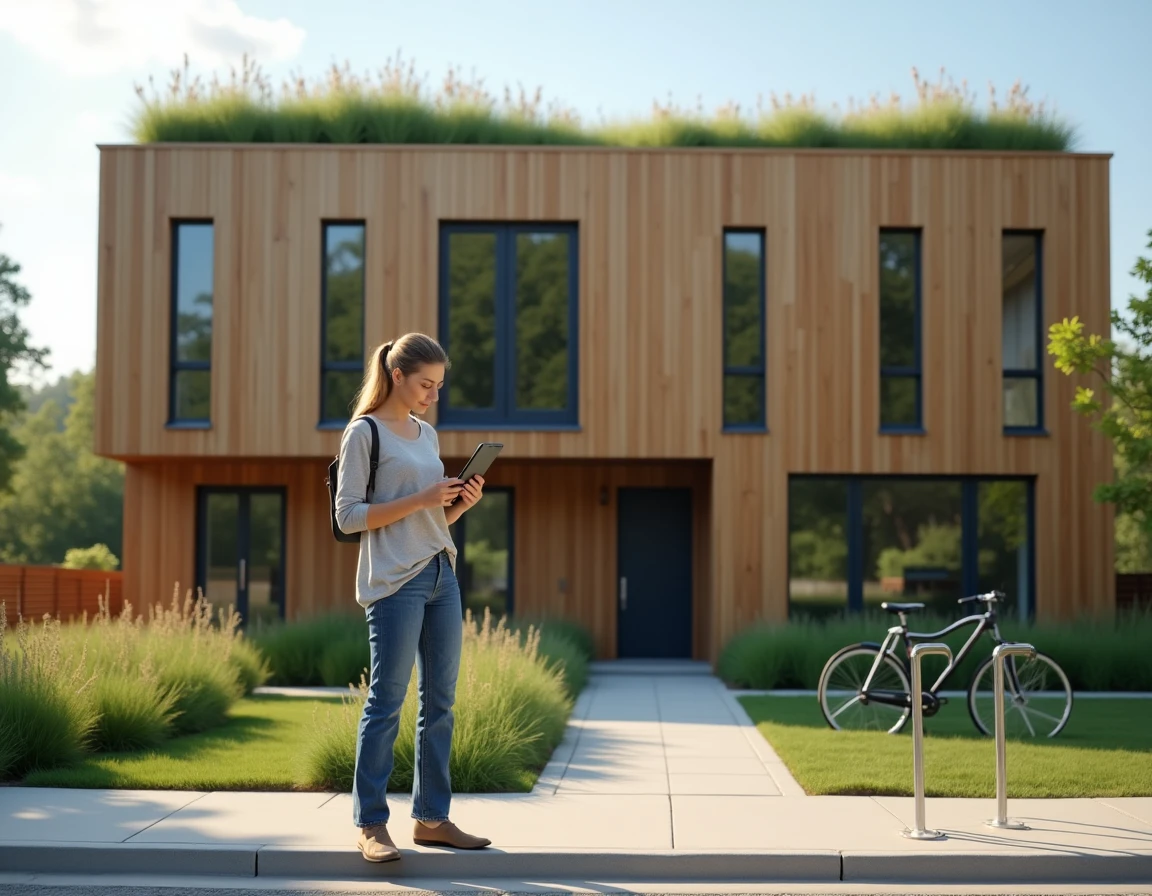
WO2 won the Low Carbon Commitment Award at the 2024 Developers Ranking. This developer places environmental performance at the center of every operation, with programs designed to exceed the regulatory thresholds of RE2020.
The 2024 ranking of real estate developers reflects a restructuring of the sector. Groups capable of combining financial strength, ESG compliance, and constructive innovation are strengthening their positions, while players too exposed to traditional residential are experiencing a decline in bookings. The next edition will reveal whether this natural selection intensifies or if the anticipated recovery redistributes the cards.