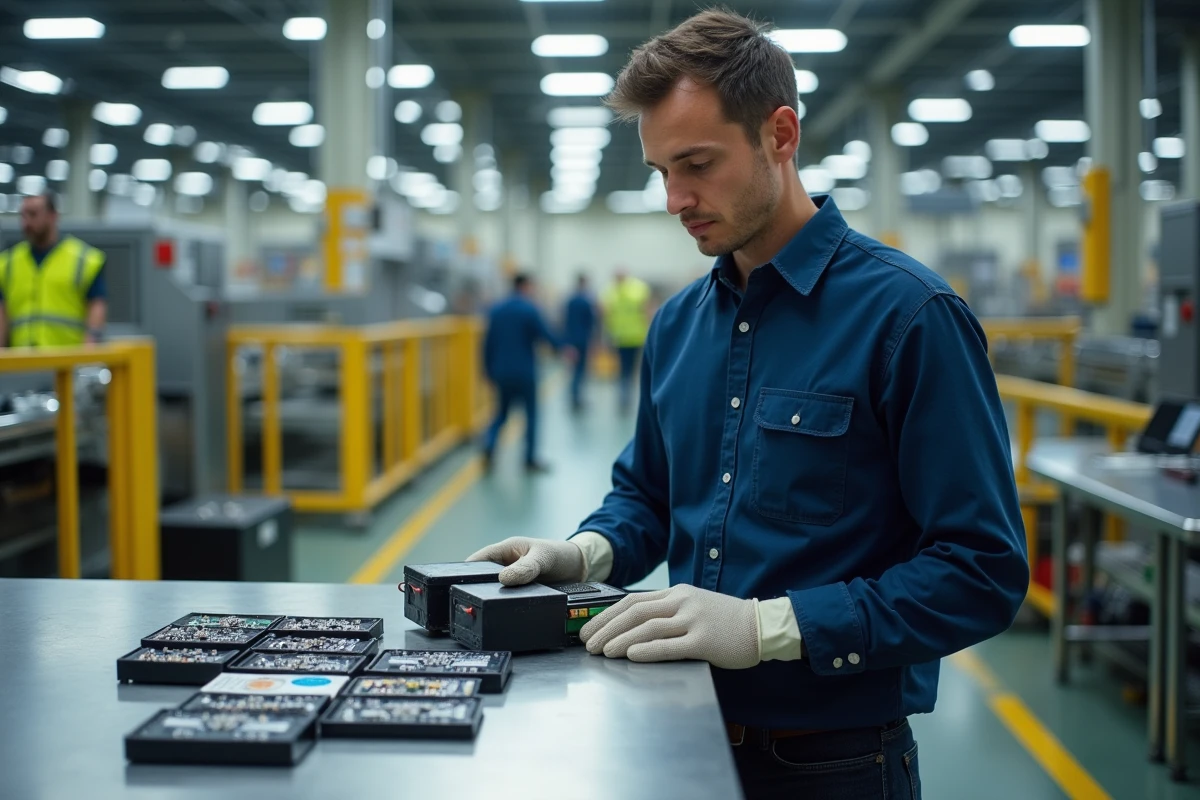
The European regulation on batteries, adopted in 2023, imposes obligations for collection, recycling, and incorporation of recycled materials that will gradually come into effect. These requirements change the cost structure of the entire supply chain, from recyclers to cell manufacturers. Understanding their mechanics allows for anticipating the evolution of battery prices starting in 2026.
Mandatory recycled content: the mechanism affecting production costs
The EU battery regulation is not limited to organizing the end-of-life of accumulators. It sets recycling incorporation rates for metals in new batteries, with two main deadlines.
By 2031, manufacturers will need to integrate 6% of recycled nickel and lithium and 16% of recycled cobalt into their electric vehicle batteries. By 2035, these thresholds will rise to 12% for lithium, 15% for nickel, and 26% for cobalt.
For manufacturers, this means that an increasing share of their supply must come from certified recycling streams, rather than the traditional mining market. The availability of these recycled materials remains limited in Europe, creating pressure on volumes and, consequently, on the purchase prices of secondary materials. A detailed tracking of the price of Derichebourg batteries in 2026 illustrates how these constraints impact recycling and collection players.

End-of-life recovery targets: lithium, nickel, and cobalt under regulatory pressure
The regulation also provides for material recovery targets at end-of-life starting in 2027, with a reinforcement in 2031. By that date, recyclers will need to recover 95% of the nickel and cobalt, and 80% of the lithium contained in collected batteries.
Currently, lithium recovery remains technically more complex and costly than that of cobalt or nickel. Achieving an 80% recovery rate involves heavy investments in hydrometallurgy or combined processes. These costs are reflected in the price charged to battery producers, who must finance the supply chain through eco-contributions or contracts for recycled material supply.
The regulatory pressure on lithium is particularly significant. Recycled lithium is even more expensive to produce than mined lithium in most European industrial configurations. As long as the volumes of end-of-life batteries remain modest (the first large deposits of automotive batteries will arrive around 2030), the supply of recycled lithium will remain structurally insufficient compared to the demand created by regulation.
NMC and LFP batteries: a differentiated impact on price based on chemistry
Not all batteries are equal in the face of these new rules. The recoverable value through recycling directly depends on the chemical composition of the cell.
- NMC (nickel-manganese-cobalt) and NCA (nickel-cobalt-aluminum) batteries contain high-unit-value metals. Recycling these cells generates higher revenues per kilogram processed, but processing and traceability obligations increase operational costs.
- LFP (lithium-iron-phosphate) batteries contain few critical high-value metals. Recycling LFP is less economically profitable, which limits the impact of regulatory requirements on their final price.
- The rise of LFP batteries in residential applications and part of the automotive sector puts downward pressure on the average price per kWh, as the associated recycling supply chain is simpler and less costly to structure.
In practice, batteries rich in cobalt and nickel will absorb a larger share of the regulatory cost increase. For a premium electric vehicle manufacturer using NMC cells, the effect on the battery price will be more pronounced than for a manufacturer that has shifted to LFP.
Impact on price per kWh in 2026
The combination of the obligation to incorporate recycled materials and the compliance costs for recyclers creates a structural cost increase for NMC batteries. This cost increase will not be offset by savings related to the decline in mined raw material prices, which had already reached historically low levels by the end of 2025.
For LFP batteries, the effect will be more moderate. The lower value of recovered materials reduces the economic pressure on the supply chain, and the relative simplicity of recycling limits the necessary investments.
Contractualized recycling: a hedge against primary metal volatility
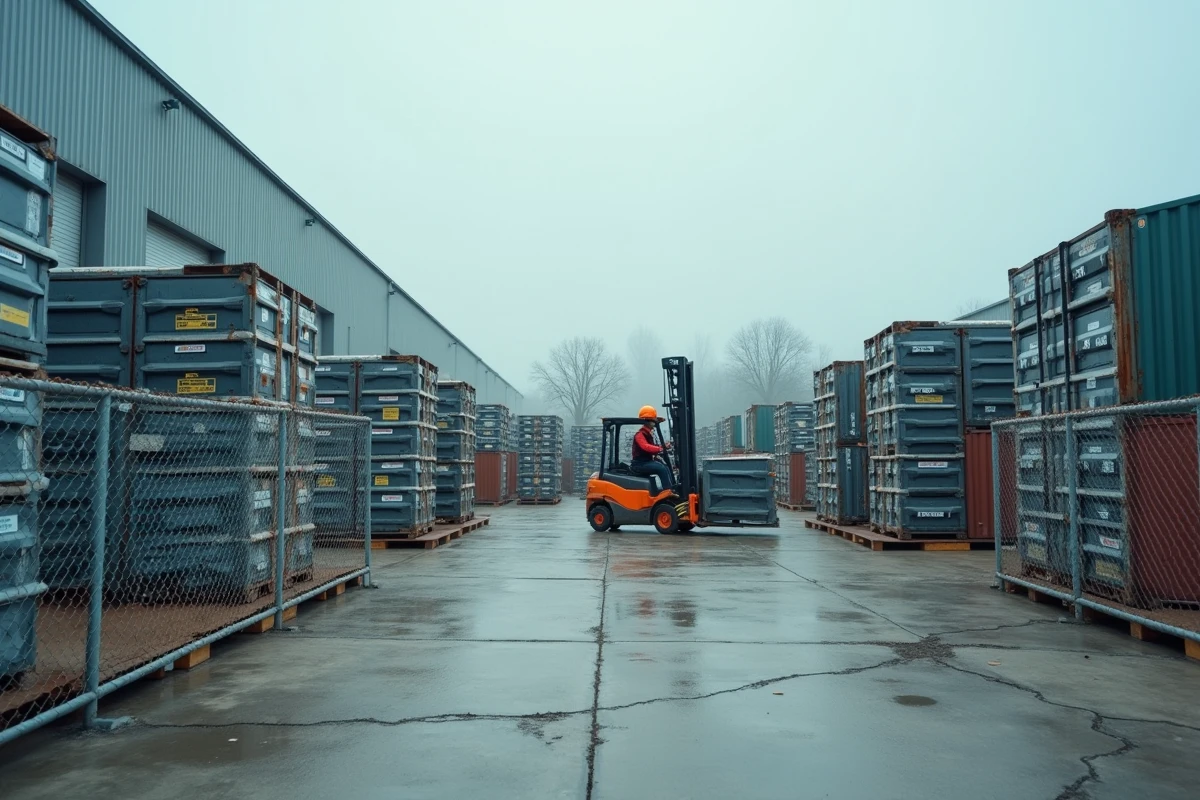
A recent phenomenon deserves attention. Several European industrial players are beginning to contract directly with recyclers to secure their supply of secondary materials. This model of closed-loop contractualized recycling allows for setting a purchase price over several years, regardless of fluctuations in the global mining market.
This approach offers a concrete advantage: starting in 2026, part of the material cost of batteries may be less exposed to spikes in primary metal prices. When the price of cobalt or nickel skyrockets on international markets, a manufacturer sourcing partially recycled material under contract can cushion the shock.
The reverse effect also exists. If the prices of primary metals remain low, the recycling contract may turn out to be more expensive than purchasing on the spot market. The calculation depends on each industrial player’s strategy and their risk tolerance regarding prices.
European dependence and localization of recyclable material
China refines the majority of critical metals and produces the vast majority of cell components. Europe covers a very minor share of its needs in extraction and refining.
End-of-life batteries represent a locally defined source of raw materials: they are found where vehicles operate. The European regulation also prohibits the export of battery waste outside the EU without equivalent treatment guarantees.
- This framework pushes European recyclers to invest heavily in local processing capacities, with labor and energy costs higher than those in Asia.
- The global lithium-ion battery recycling market, estimated at $6.9 billion in 2026 according to Global Market Insights, is expected to grow at an annual rate of over 20% until 2035.
- Europe is turning a regulatory constraint into an industrial sovereignty lever, but the cost of this relocation is reflected in the price of batteries produced on the continent.
The price of batteries in 2026 will not depend solely on the price of lithium or cobalt. It will incorporate the cost of regulatory compliance, the maturity of local recycling supply chains, and the chemistry choice of each manufacturer. Batteries with high cobalt and nickel content will be the first affected, while the LFP supply chain could emerge with a strengthened competitive advantage.