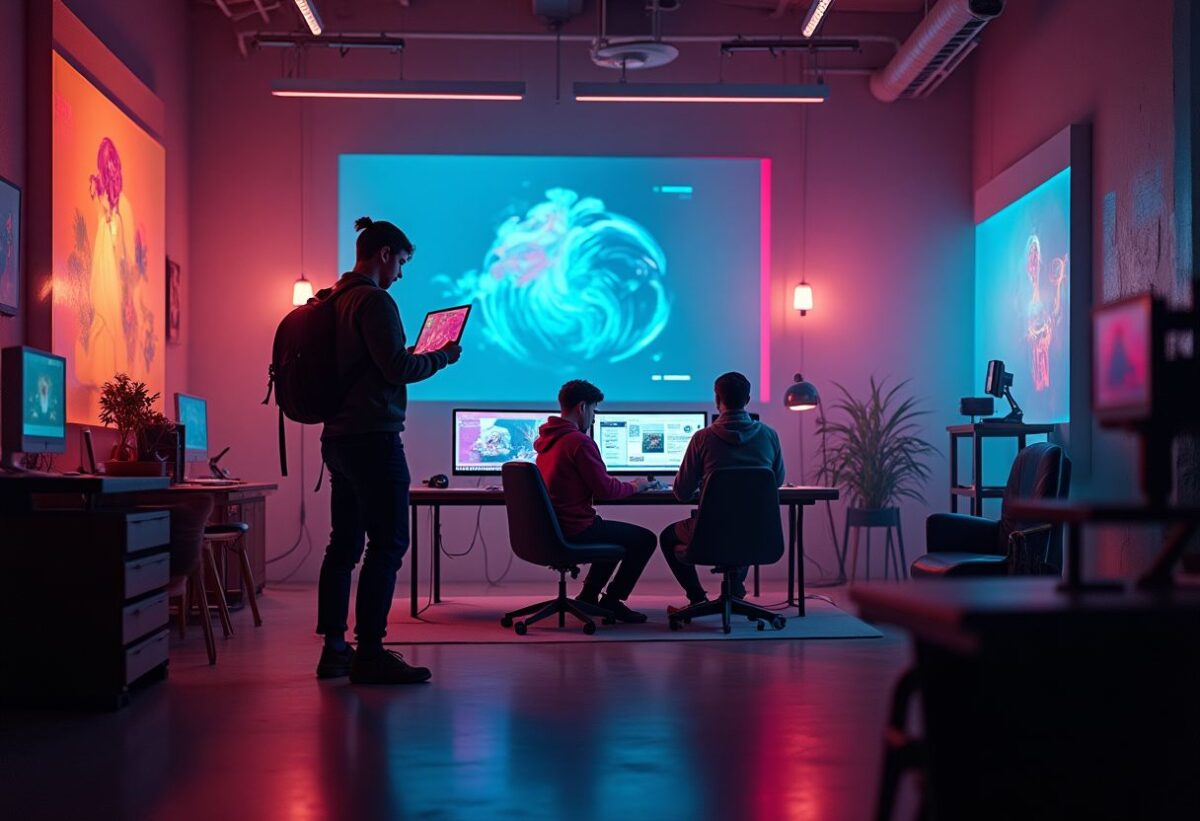
In a world where animated imagery prevails, motion design plays a crucial role. Whether for advertising, films, digital media, or video games, the demand for skilled and creative animators continues to grow. A motion design training program goes beyond teaching simple animation techniques; it provides a range of concrete and varied skills. These skills extend well beyond mere software proficiency and encompass diverse areas such as graphic design, visual storytelling, and even project management.
Mastery of Specialized Software
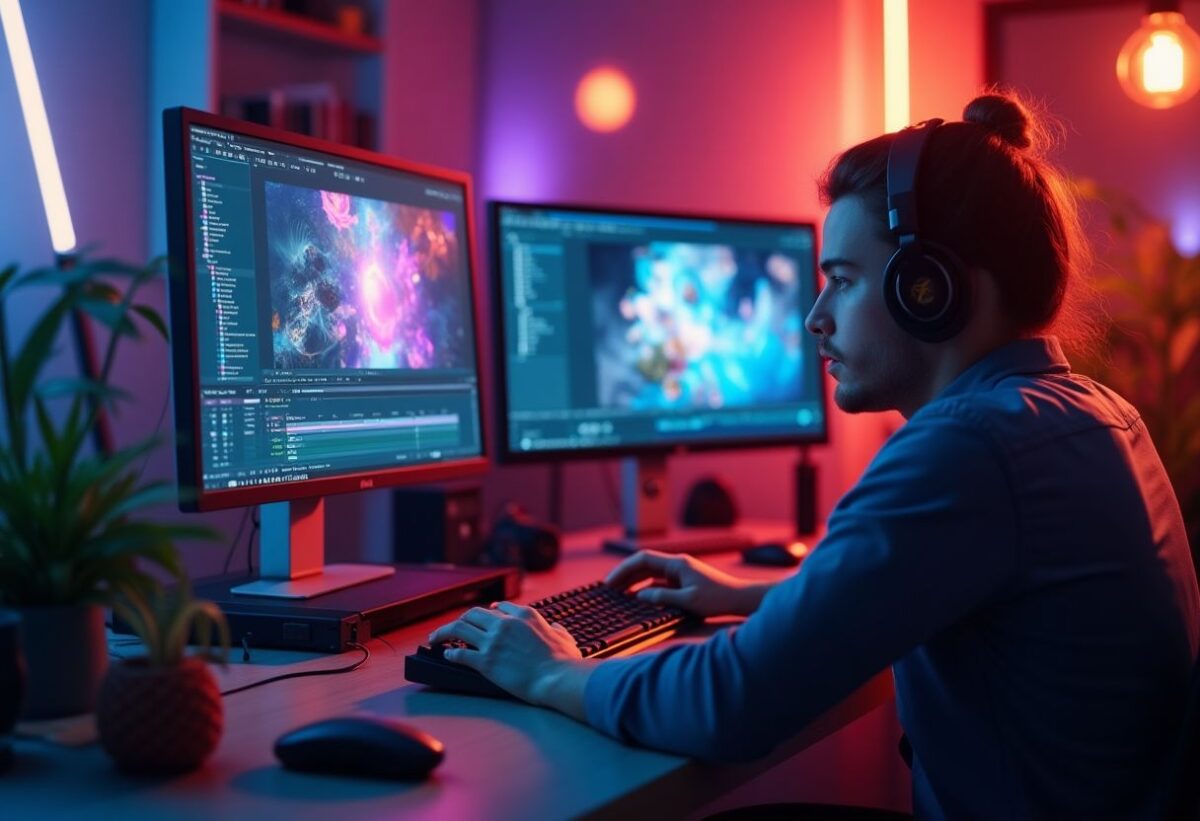
A fundamental aspect of any motion design training is learning digital tools. Software is the brush of modern animators, and technical mastery is essential for executing effective projects.
- Adobe After Effects : this is the industry standard for animation and visual effects. Knowing how to use this tool allows for the creation of complex animations and brings visual ideas to life.
- Cinema 4D : this software is used for 3D modeling. It is crucial for those who wish to integrate three-dimensional elements into their animations.
- Photoshop and Illustrator : although often associated with graphic design, these tools are also used in motion design to create high-quality visual assets.
Artistic and Creative Skills
Motion design is not just about technique. It requires a strong artistic sensibility and overflowing creativity to produce captivating animations. The ability to transform abstract ideas into concrete visuals is a valuable asset.
- Development of Personal Style : throughout the training, students are encouraged to explore and refine their own artistic style. This exploration is essential for standing out in a competitive industry.
- Sense of Color and Composition : understanding how colors interact and how to compose a balanced image is crucial for creating eye-catching animations.
Design and Visual Storytelling
The most impactful animations tell a story. Visual storytelling is an essential skill taught in motion design training, allowing for engagement and captivation of the audience.
- Storyboarding : this technique involves sketching the main scenes of an animation before executing them. It helps plan the narrative structure and visualize the flow of the story.
- Timing and Rhythm : knowing when and how to introduce visual elements to maximize emotional impact is an advanced skill that students acquire.
Project Management and Collaboration
Technical and creative skills must be complemented by the ability to manage projects effectively and work as a team. These skills are just as important in the professional world as technical skills.
Working within a team requires effective communication and a clear understanding of each person’s roles. Students learn to manage projects from start to finish, adhering to deadlines and budgets. The art of collaboration is often underestimated, but it is an essential skill for success in the dynamic field of motion design.
Embarking on a motion design training is a rewarding adventure that equips the creators of tomorrow with varied and essential skills. From mastering software to the ability to tell visual stories, each skill acquired enriches the toolkit of future animators. As the world continues to turn towards animated content, the skills developed in this field offer numerous exciting and diverse career opportunities.