Living well in retirement after 60 relies on a principle often underestimated: the active fight against sedentariness. The body loses a fraction of its muscle mass and cardiorespiratory capacity each year once it is no longer engaged in regular professional or sports activities. Maintaining a structured lifestyle, both physically and mentally, then becomes a direct factor in preserving autonomy.
Sedentariness after 60: the risk that retirement accelerates
Retirement removes constraints (commuting, fixed schedules) but also daily physical demands. Without a conscious replacement of these efforts, sedentariness sets in within a few months and produces cascading effects: loss of balance, muscle wasting, chronic fatigue, sleep disorders.
What distinguishes sedentariness from simple rest is the duration. Sitting or lying down for several hours at a time, even while reading or watching a screen, places the body in a state of under-stimulation that promotes cardiovascular issues and cognitive decline. Breaking up these long periods of inactivity with short movements (getting up, walking for five minutes, climbing stairs) is enough to significantly reduce risk.
To delve deeper into these topics related to seniors’ daily lives, you can discover the Magazine Seniors website, which addresses health, leisure, and administrative procedures specific to this age group.
Health self-assessment: the ICOPE Monitor tool for retirees
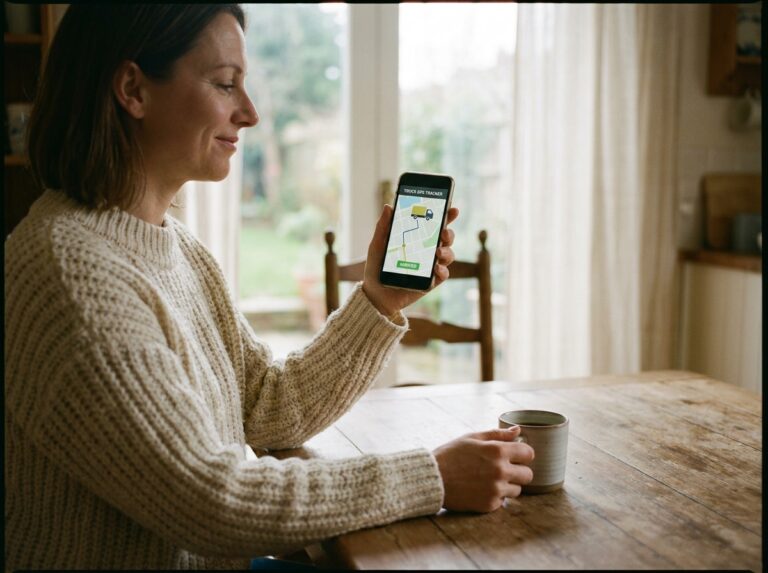
Before choosing an activity, one must first know their starting point. The Retirement Insurance and its partners distribute the digital tool ICOPE Monitor, developed as part of a WHO program. This application allows those over 60 to regularly self-assess their functions: mobility, memory, vision, hearing, mood.
The result is not a medical diagnosis but a personal indicator that guides towards appropriate advice and a selection of geolocated activities. The interest lies in regularity: by repeating the assessment every few months, one can detect emerging decline well before it becomes disabling.
In parallel, the Health Insurance has rolled out free preventive check-ups for those aged 60-65, fully covered. These consultations include screening, advice on physical activity, nutrition, and housing adaptation. Taking advantage of these appointments at the beginning of retirement lays a reliable medical foundation for calibrating one’s lifestyle.
Adapted physical activity after 60: structuring without forcing
The question is not about running a marathon. A moderate but regular effort protects more than an intense but sporadic effort. Brisk walking, swimming, cycling at a moderate pace, or yoga engage the cardiovascular system and joints without being harsh on them.
Three concrete guidelines for structuring your practice:
- Alternate types of stimulation throughout the week: one endurance session (brisk walking, cycling), one light muscle strengthening session (bodyweight exercises, resistance bands), and one balance or flexibility session (yoga, tai chi).
- Break up the effort throughout the day rather than concentrating it in one block. Two twenty-minute walks are better than one hour of sitting followed by one hour of exercise.
- Adjust the intensity based on feedback from the body and the results of a prior medical assessment, especially for those who have been sedentary for several years.
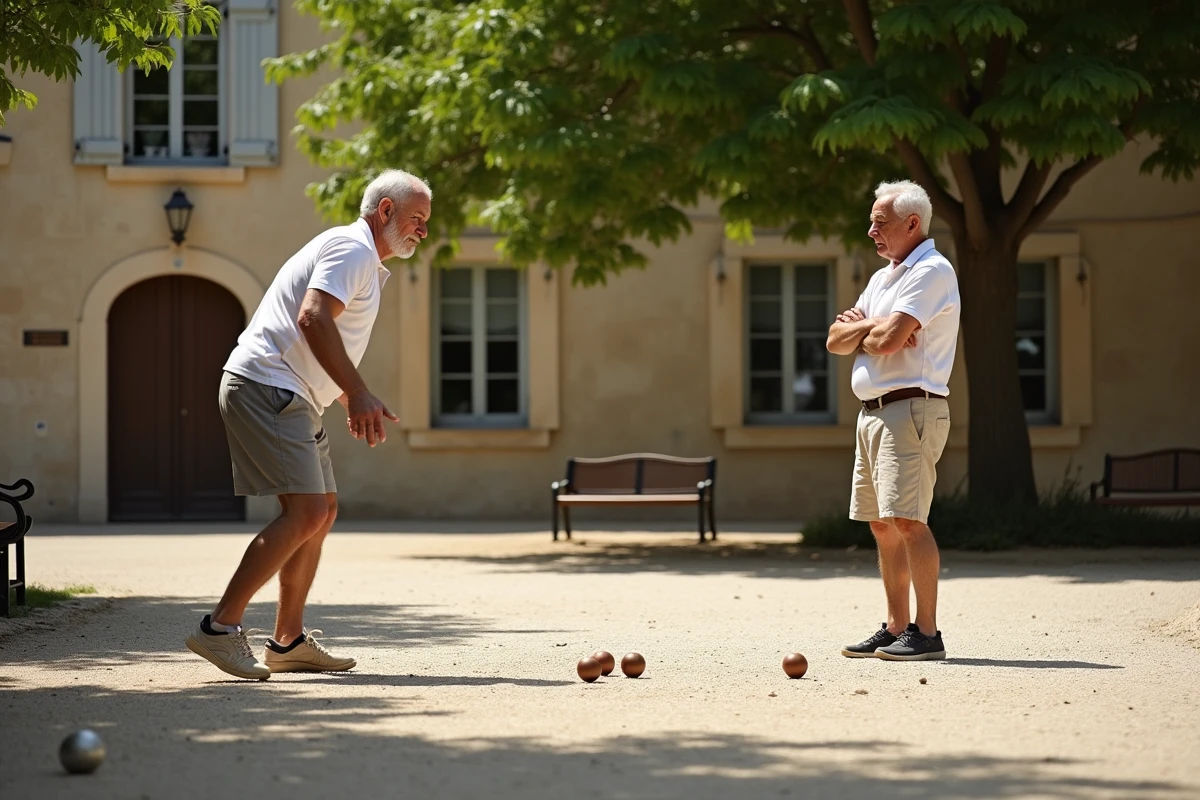
Sports after 60 also serve a social function. Group classes, hiking groups, or swimming clubs create a weekly appointment, a framework, and interactions that directly combat isolation.
Cognitive stimulation and social connection: two often-neglected pillars
Physical activity only covers part of the picture. The brain needs to be nourished by novelty. Learning a language, taking an online course, practicing a musical instrument, or participating in a writing workshop generates neural connections that daily routines do not stimulate.
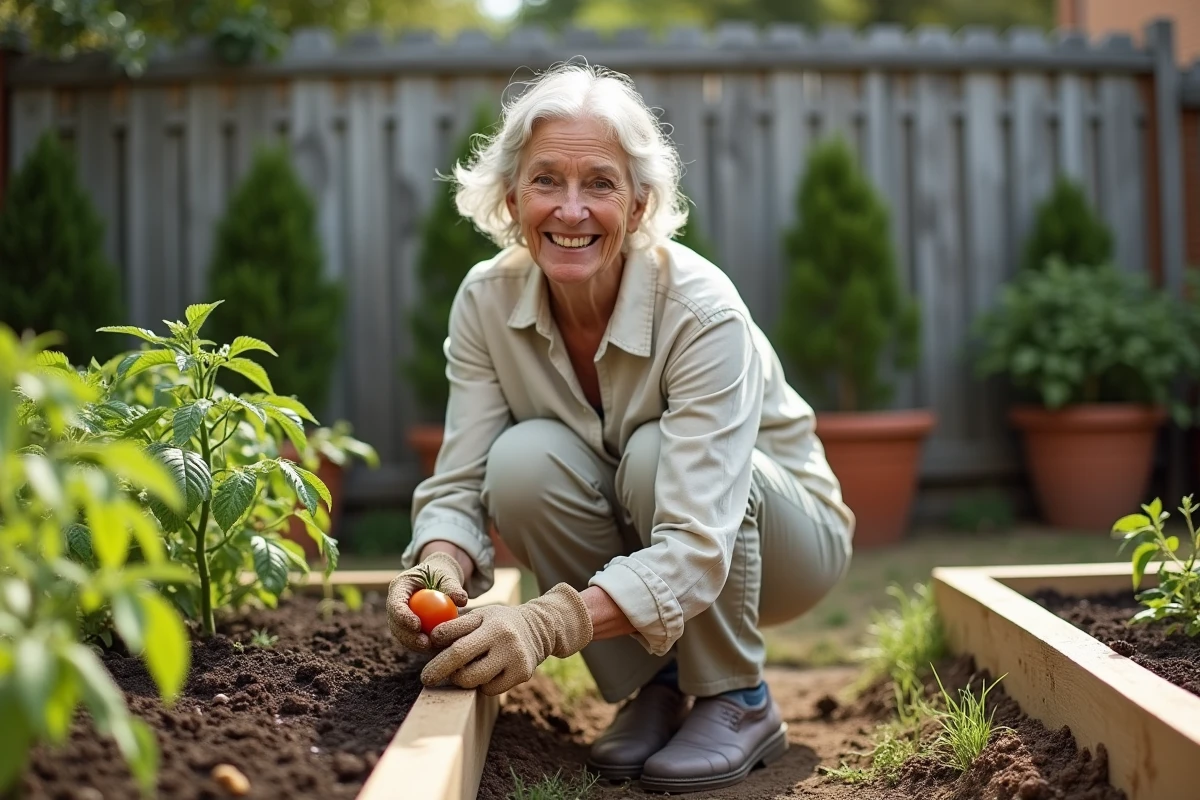
The combination of physical activity and cognitive stimulation produces a protective effect greater than either taken alone. Dancing, for example, combines motor coordination, memory of sequences, and interaction with a partner. Gardening combines moderate physical effort, planning, and sensory contact with the environment.

Social connection, on the other hand, is not limited to family meals. Volunteering in a local association, joining a book club, or participating in a municipal council provides a regular framework for meetings. This framework partially replaces the social structure that the professional environment provided.
Combining work and retirement: staying active through chosen work
For some retirees, the most stimulating activity remains work, provided it is chosen and not imposed. The combination of work and retirement now allows for resuming paid activity without hour limits, as long as certain regulatory conditions are met.
This option is particularly suitable for those whose profession was a source of intellectual or social satisfaction. Working a few hours a week as a consultant, trainer, or craftsman maintains a rhythm, a network, and a sense of usefulness. The regulatory framework has been relaxed in recent years, making the process more accessible than before.
Combining work and retirement is not the only path: micro-entrepreneurship, passing on skills through mentoring, or returning to university studies (some universities offer reduced rates for retirees) fulfill similar functions.
Staying active after 60 is not just about ticking boxes on a list of good practices. It is the regularity of a structured lifestyle that protects autonomy, much more than an isolated effort. The first useful step remains the simplest: make an appointment for a free preventive check-up and assess your starting point before choosing your activities.