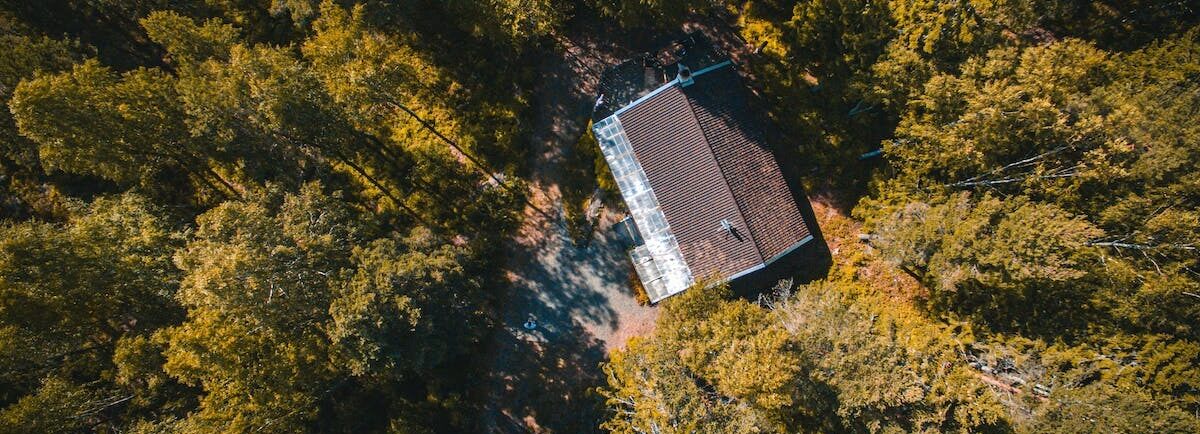
Trees need to be planted near residential areas. This involves considering elements such as the type of tree, available space, soil type, and local climate. Poorly planted trees can lead to significant problems, ranging from threats to infrastructure to depreciation of property value. Therefore, to assist amateur and professional gardeners, I offer here valuable tips and recommendations for effectively and safely planting trees near homes.
Trees in the City: Choosing the Right Species
In the process of planting trees, an essential consideration that should not be taken lightly is the ‘recommended distance between a tree and a house’. This aspect is crucial for creating a balance between the desired aesthetics and the practical imperatives related to safety and respect for surrounding structures.
Generally, this distance primarily depends on the maximum spread that the mature tree can achieve. To avoid potential damage to building foundations or underground installations such as pipes, an average distance equivalent to the expected final height of the mature tree should be considered. For example, if you plan to plant a common oak (Quercus robur), which can exceed 20 meters in urban environments, it would be wise to maintain a minimum distance of about twenty meters from any construction.
Do not overlook the risk posed by branches of trees planted too close to homes. These can cause significant damage if they fall during severe weather events such as strong winds or storms. It is therefore necessary to regularly assess their condition and prune them when required.
You should also note that there are likely legal restrictions in your municipality regarding the ‘recommended distance between a tree and a house’. Therefore, before any planting project within the urban perimeter, make sure to be well-informed about these rules by checking with local authorities.
If you have any doubts about the distance to maintain, do not hesitate to seek the advice of an expert. An arborist or professional landscaper can provide you with the best advice tailored to your situation and specific needs. By following these recommendations, you will contribute not only to the well-being of your tree and your home but also to the beauty and ecological balance of your neighborhood.
Soil Preparation: A Crucial Step Before Planting Trees
Once you have determined the ideal location to plant your tree and respected the recommended distances, be sure to stabilize it properly.
Consider analyzing the soil composition by performing a pH test. Most trees prefer a neutral or slightly acidic pH, between 6 and 7. If the pH is too high or too low, you can adjust it by adding appropriate amendments such as elemental sulfur to lower the pH or dolomitic lime to raise it.
Do not hesitate to enrich the soil with essential nutrients such as nitrogen (N), phosphorus (P), and potassium (K). These elements are necessary for the proper development of trees. You can use organic fertilizers like composted manure or opt for balanced chemical fertilizers available in specialized garden centers.
Be sure to check for possible interactions between the tree and underground infrastructures such as water or gas lines. Before digging, contact the relevant authorities to know the exact location of the pipes to avoid any potential issues.
Once the soil is ready, you can proceed to the actual planting. Dig a hole twice as wide as the root ball of the tree and to a depth equivalent to it. Carefully place the tree in the hole, ensuring it is upright, and cover its roots with soil previously mixed with compost.
Don’t forget to water your tree thoroughly after planting to encourage good establishment. Subsequently, ensure regular watering during the first few years until the tree is well established.
By following these good practices for preparing the soil before planting trees near homes, you will provide your trees with the best conditions to thrive and beautify your environment.
Planting Distances: Preventing Future Issues
Dear readers, let us continue our exploration of best practices for planting trees near homes. After emphasizing the importance of choosing the right location and respecting the recommended distances, it is time to examine this crucial step in more detail to avoid future problems.
It is important to remember that planting distance varies depending on the type of tree and its size at maturity. Indeed, each species has its own requirements in terms of living space necessary for harmonious development. It is essential to research the specifics of the chosen tree even before considering its planting.
Respecting these distances prevents a number of complications that may arise over time. When trees are planted too close to homes, they risk encroaching on the space reserved for neighboring constructions and compromising their foundations and structures.
Indeed, if roots develop too close to or under a house, for example, they can damage the foundations by exerting excessive pressure or causing gradual drying. The dense and close underground presence can also lead to issues with the drainage system or cause cracks in the building’s structure itself.
Essential Watering: Promoting Tree Growth in Urban Areas
Now let’s move on to another crucial step for the healthy growth of our trees: adequate watering. Indeed, be sure to gather information about the water requirements specific to each variety before proceeding with planting.
Once informed about the precise needs of our tree, we can set up a suitable watering system. In this regard, using a drip irrigation or subsurface irrigation system can be extremely beneficial.
This type of watering allows for a regular and controlled distribution of water directly to the roots of the trees. This promotes the development of the root network while avoiding waste associated with excessive watering.
It is advisable to water early in the morning or late in the evening so that the water does not evaporate too quickly under the scorching sun.
It is also important to note that a thick layer of mulch around the tree trunk can help maintain consistent moisture and reduce water needs.
Keep a close eye on the weather and adjust your watering accordingly. During rainy periods, reduce the frequency of watering, while during hot summer months, you may need to increase the intensity of hydration sessions.
Let us remember that each tree needs time to establish itself firmly in its new environment. During the first few years following planting, it is crucial to continue providing regular watering to help the root system develop deeply, ensuring healthy and vigorous growth.
In this section on adequate watering for our trees near homes, let us not hesitate to invest time in this important task. Proper maintenance will not only ensure their survival but also their future prosperity. Therefore, let us carefully attend to the specific water needs of each chosen species while adapting our practices according to the changing climatic conditions throughout the seasons.
Tree Health: Protecting Against Diseases and Pests
Another important concern when it comes to caring for our trees is protection against diseases and pests. Indeed, these harmful organisms can cause considerable damage to our precious trees if we are not vigilant.
To protect our trees from diseases, it is essential to choose disease-resistant tree species that are common in our region. Consult a professional or a specialized nursery to learn about the varieties that are least likely to be affected by local diseases. Also, opt for healthy plants free from apparent symptoms.
Another effective way to prevent the onset of diseases is through good general maintenance of the tree. Be sure to prune regularly to remove any dead or damaged branches, as they can serve as potential entry points for pathogens.
Whenever possible, also avoid any unnecessary stress for our tree by ensuring well-drained soil and providing an adequate amount of water and nutrients according to the specific needs of each species.
Regarding pest control, there are several measures we can take. Regularly inspect our trees for signs of potential infestation such as distorted or yellowing leaves, unusual insect presence on the bark, or the appearance of fungi or galls.
If an infestation occurs, it is important to act quickly. We can opt for biological and environmentally friendly methods such as introducing specific predatory insects or using a natural insecticidal soap to eliminate unwanted pests.
In more severe cases where the health of our tree is seriously compromised, it may be necessary to consult a certified professional in disease and pest control so that they can accurately diagnose the problem and propose an appropriate solution.
Protecting our trees from diseases and pests requires constant and proactive attention. By being attentive to the signals our trees send us and taking appropriate measures early on, we can maintain their health and vigor while preserving the natural beauty that enriches our daily environment.
Regular Maintenance: The Key to Good Tree Health in the City
Regular pruning of trees is a fundamental aspect of this maintenance. It not only helps maintain a harmonious shape but also eliminates dead or damaged branches that could pose a potential danger. Proper pruning also encourages the balanced growth of the tree by stimulating the development of lateral branches.
You should exercise caution when it comes to pruning our trees. It is advisable to seek the help of a qualified professional who masters the appropriate techniques to avoid any unnecessary injury to the tree.
Let us ensure we properly maintain the root system of our trees. Roots play a crucial role in nutrient absorption and the overall stability of the tree. Therefore, make sure that the soil around the roots remains free from obstructions such as paving stones or underground constructions that could suffocate the roots and disrupt their functioning.
You should regularly water our trees. Water is essential for the tree’s survival, especially during dry periods. Ensure you provide an adequate amount of water based on the specific needs of each species. However, avoid excesses that could lead to root rot.
Let us not forget that our trees also need nutrients to maintain their vitality and resistance to diseases. Provide them with a balanced fertilizer containing essential elements such as nitrogen, phosphorus, and potassium. This will promote healthy growth and better resistance to external stresses.
Regularly maintaining our trees requires time and in-depth knowledge, but it greatly contributes to preserving their good health in the long term. By paying constant attention to their specific needs and taking appropriate measures when necessary, we ensure the longevity and natural beauty of these precious plant treasures that enhance our daily environment.